
Table of contents12 sections
- Noon Fulfillment Center Prep: A Complete Sellers Guide for UAE Marketplaces in 2026
- What Noon FBN prep actually requires
- How Noon's fulfillment models actually work
- What "NFC prep" actually means
- The Noon barcode (different from FNSKU)
- Packaging requirements
- Expiration date compliance
- Inbound shipment plan
- Inbound appointment
- Real costs: Noon UAE fee structure post-August 2025
- Default fee (referral fee)
- Outbound fee
- Monthly storage fee
- Circumstantial fees
- SamVertex Noon prep pricing
- What it actually costs to sell on Noon FBN
- The five most common NFC inbound rejection causes
- NFC inbound checklist
- When FBN beats FBP Directship (and when it doesn't)
- How SamVertex Noon prep compares
- Frequently asked questions
- See your real numbers
- References
Noon Fulfillment Center Prep: A Complete Sellers Guide for UAE Marketplaces in 2026
Noon FBN looks like Amazon FBA but local, until inventory arrives at the dock and gets rejected for failing Noon-specific prep rules. Noon-issued barcodes are not FNSKUs, the polybag thickness threshold is enforced, and the August 2025 fee table reshapes the math. The numbers below are the ones to plan around before booking an inbound appointment.
Noon FBN (Fulfilled by Noon) prep means preparing inventory to Noon's specifications before it reaches a Noon Fulfillment Center: a Noon-issued barcode generated in Seller Lab (not an Amazon FNSKU), retail-ready packaging, polybags at 1.5 mil minimum with a suffocation warning, expiry dates visible through the wrap, and an approved inbound shipment plan. Get any of these wrong and the unit drops to the exception lane, adding 24 to 72 hours of inbound delay.
Noon's own FBN fees, after the August 2025 update, run in three lines: a default (referral) fee of 5 to 18 percent of selling price by category, an outbound fee of AED 8 to AED 38 per unit by size and weight, and NFC storage at AED 25 to AED 40 per CBM per month. The total fee burden on a typical FBN seller lands around 30 to 40 percent of revenue, not the headline referral percentage.
SamVertex preps for Noon at AED 0.50 per unit all-in (polybag AED 0.50, bubble wrap AED 1.00, bundling AED 1.50), same-day onboarding, no minimums. A typical 200-unit apparel inbound lands around AED 200 in prep, far below the cost of a single rejected shipment. That is the answer; the rest of this guide is the detail.
What Noon FBN prep actually requires
Noon FBN (Fulfilled by Noon) prep in the UAE means preparing inventory to Noon's specifications before it arrives at a Noon Fulfillment Center. Every unit needs a Noon-issued barcode generated through Seller Lab, retail-ready packaging, polybags (1.5 mil minimum) for soft goods, and a manifest from an approved inbound shipment plan. Noon charges a 5 to 18 percent default fee plus AED 8 to AED 38 outbound per unit. SamVertex prep is AED 0.50 per unit, all-in.
| Item | Value |
|---|---|
| Program name | FBN (Fulfilled by Noon) |
| Barcode standard | Noon-issued via Seller Lab, covers manufacturer GS1/GTIN |
| Inbound shipment plan | Required (Seller Lab generates manifest) |
| Polybag minimum thickness | 1.5 mil with sealed closure |
| Default (referral) fee | 5-18% of selling price by category |
| Outbound fee | AED 8-38 per unit shipped (size + weight) |
| Monthly storage fee | AED 25-40 per CBM at NFC |
| Typical inbound appointment | Same-week off-peak, 3-7 days peak |
| SamVertex prep rate | AED 0.50 per unit (base) |
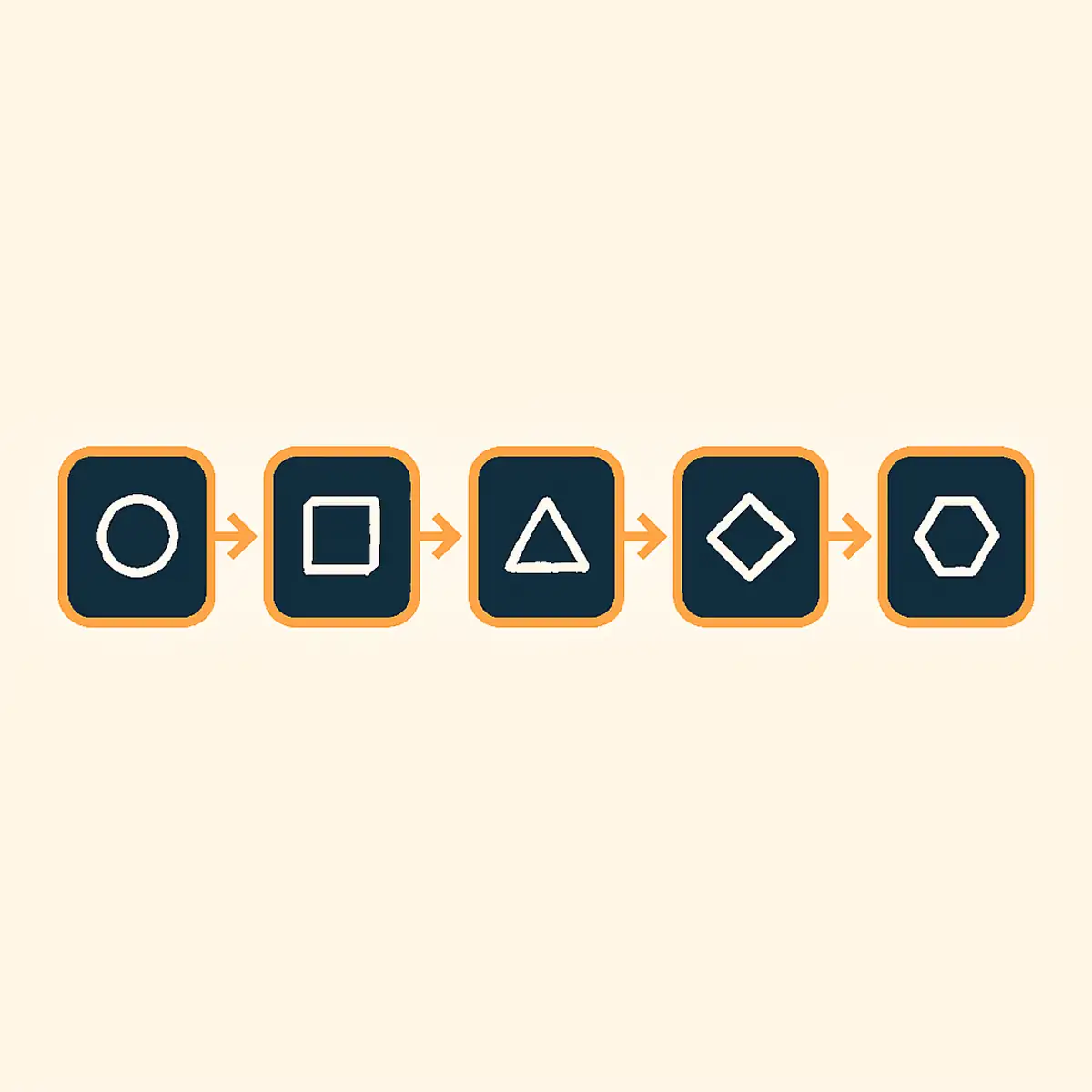
- Seller inventory receipt
- Barcode and label prep
- Polybagging and packaging
- Inbound to Noon FC
- Listing activation on Noon
SamVertex provides Noon FC prep at AED 0.50 per unit (the FBA prep rate applies for Noon prep too because the underlying labor is similar) plus carton labels and add-ons (polybag at AED 0.50, bubble wrap at AED 1.00). Same-day onboarding for prep services.
How Noon's fulfillment models actually work
Noon offers three operational paths for getting inventory to UAE customers. Pick the wrong one and the unit economics break.
| Model | Who stores | Who picks/packs | Who ships last-mile | Best for |
|---|---|---|---|---|
| FBN (Fulfilled by Noon) | Noon NFC | Noon | Noon | Fast-moving SKUs, "Noon Express" eligibility |
| FBP Directship | Seller warehouse | Seller | Noon | Slower SKUs, brand control, lower fees |
| Marketplace seller | Seller warehouse | Seller | Seller's chosen carrier | Sellers with established logistics |
FBN (Fulfilled by Noon). Inventory lives in a Noon Customer Fulfillment Center (CFC), commonly called an NFC by sellers and 3PLs. Noon manages picking, packing, last-mile delivery, customer service, and returns. The product earns the yellow "Noon Express" badge that Noon's algorithm prioritizes in search and category placement. FBN inventory typically ships within 24 hours of order placement.
The trade-off: Noon charges a default fee (varying by product category, ranges from approximately 5 to 15 percent of selling price), an outbound fee per unit based on dimensions and weight, and a monthly per-CBM storage fee. Sellers also lose direct control over packaging and customer experience.
FBP Directship. Inventory stays in the seller's warehouse. When an order arrives in Seller Lab, the seller picks and packs it within a defined SLA window (typically 24 hours), generates a Noon-issued barcode for the parcel, and hands it to Noon's logistics network for last-mile delivery. The seller maintains pricing flexibility, brand presentation, and lower overhead, but loses Noon Express eligibility and the buy-box advantage on competitive listings.
Marketplace seller (full self-fulfillment). The seller handles everything end-to-end including last-mile delivery via their own carrier or 3PL. This is rarely competitive on Noon UAE because it loses the platform's logistics integration and reputation signals.
For UAE-domestic sellers running on Noon at meaningful volume, FBN is typically the right choice for fast-moving SKUs (electronics, beauty, fast fashion) where the Noon Express badge converts. FBP Directship is the right choice for slower-velocity SKUs (specialty home goods, B2B-leaning products) where storage fees would erase the marketplace economics.
The hybrid pattern: a brand might run 30 percent of its catalog FBN (the volume drivers) and 70 percent FBP Directship (the long tail). Most established UAE Noon sellers use this split.
What "NFC prep" actually means
Noon's prep specifications are stricter than many sellers expect because Noon's fulfillment operation depends on speed of receiving. A unit that arrives without a scannable Noon barcode gets diverted to the exception lane and adds 24 to 72 hours of inbound delay. At scale this becomes a meaningful operational cost.
The Noon barcode (different from FNSKU)
Every unit shipped to an NFC needs a Noon-issued barcode, generated through Seller Lab. This is structurally similar to Amazon's FNSKU but follows Noon's own format and is unique to your Noon seller account.
Generation: Seller Lab → Inventory → select SKU → Generate Barcode. Noon issues a label image you print on thermal labels.
Application rules:
- Cover any manufacturer barcode (UPC) so Noon scanners read only the Noon-issued code
- Place on a flat surface (not on seams, curves, or shrink-wrap that distorts the barcode)
- Print on thermal printer; inkjet smudges and fails the scan
- Visible from outside any polybag or shrink-wrap
- One barcode per unit; multi-pack items use the parent-SKU barcode on the outer pack
The biggest source of NFC rejection: sellers using their FNSKU labels (intended for Amazon) on Noon inbound shipments. The barcodes are different. They look similar but the underlying ID structure is incompatible. Noon's scanners cannot resolve an FNSKU to a Noon SKU. The unit gets quarantined as unidentified inventory.
Packaging requirements
Noon requires retail-ready packaging that protects the unit through its journey from NFC to customer doorstep. The specs:
- Outer packaging must withstand drops, vibration, and stacking
- Lightweight loose products require polybags with sealed closures
- Fragile items require bubble wrap or equivalent cushioning
- Liquid products require leak-proof secondary packaging
- Items with sharp edges or corners require corner protection or padding
- Multi-pack sets must be packaged as one sellable unit with a single Noon barcode on the outer
Polybags for Noon must be a minimum 1.5 mil thickness with a sealed closure. Suffocation warnings are required on bags with openings 5 inches or larger, in English or bilingual English/Arabic for UAE marketplace.
Expiration date compliance
Required for food, supplements, cosmetics, personal care products, and any product with a stated shelf life:
- Format MM-YYYY or DD-MM-YYYY visible on the outer packaging
- Minimum font size readable without unboxing
- Date must remain visible through any polybag or shrink-wrap (warehouse staff cannot open the packaging to check)
- Products within 90 days of expiration may be rejected at receiving for some categories
Inbound shipment plan
Sellers create an inbound shipment plan in Seller Lab before shipping inventory to an NFC. The plan specifies:
- SKUs being shipped (with Noon SKU identifiers)
- Quantity per SKU
- Carton count and dimensions
- Pallet configuration if shipping palletized
- Target NFC location (Noon assigns based on demand and warehouse capacity)
- Expected arrival date
The shipment plan generates carton labels and a manifest. The manifest is what NFC receiving uses to validate the inbound; mismatches between the manifest and the physical shipment trigger receiving exceptions.
Inbound appointment
Once the shipment is ready and the plan is approved, the seller (or 3PL) books an inbound appointment with the NFC. UAE NFC inbound capacity is constrained during peak weeks (White Friday, Yellow Friday Sale, Ramadan); appointments may run 3 to 7 days behind during peak. Off-peak typically same-week.
Real costs: Noon UAE fee structure post-August 2025
Noon updated its FBN UAE fee structure on August 15, 2025. The current fee model has four components, each charged separately to the seller's Noon balance.
Default fee (referral fee)
Charged per item sold, calculated as a percentage of the selling price. The percentage varies by product category:
- General merchandise: 8 to 12 percent
- Electronics: 5 to 8 percent
- Fashion and apparel: 12 to 18 percent
- Beauty and personal care: 10 to 15 percent
- Home and kitchen: 10 to 14 percent
- Books and media: 8 to 12 percent
These are 2025-2026 ranges; specific rates are published in Seller Lab and updated periodically. Sellers compare these against Amazon UAE's referral fees (typically similar bands) when deciding marketplace allocation.
Outbound fee
Charged per FBN unit shipped to a customer, based on dimensions and weight. Approximate ranges:
- Small standard (under 500g, fits in shoebox): AED 8 to AED 14 per unit
- Medium standard (500g to 2kg): AED 14 to AED 22 per unit
- Large standard (2kg to 10kg): AED 22 to AED 38 per unit
- Oversized: quoted per case based on dimensions
The outbound fee covers picking, packing, dispatch, and last-mile delivery. Noon Express orders (priority shipping for FBN units) sometimes carry a small premium versus standard FBN dispatch.
Monthly storage fee
Charged per CBM of inventory held in NFCs, billed monthly:
- Standard items: AED 25 to AED 40 per CBM per month
- Long-term storage (over 6 months): premium charged on top of standard rate
- Hazardous goods: premium charged on top of standard rate
For comparison, SamVertex external warehousing is AED 85 per CBM per month for dry storage and AED 120 for climate-controlled. The Noon NFC rate is significantly cheaper because Noon's storage cost is partially recovered through the higher referral and outbound fees. The right comparison is total fee burden across all three lines, not storage in isolation.
Circumstantial fees
Noon charges additional fees for:
- Returned items (handling fee per return)
- Damaged returns requiring inspection or rework
- Long-term storage above 180 days
- Inventory removal (FBN to seller warehouse, charged per unit)
- Warranty claim fees
SamVertex Noon prep pricing
For sellers using SamVertex to prep inventory before sending it to NFCs:
- Base prep (Noon barcode labeling, basic QC): AED 0.50 per unit
- Polybag with closure: AED 0.50 per unit
- Bubble wrap: AED 1.00 per unit
- Bundling (multi-pack): AED 1.50 per unit
- Carton labeling: variable per carton count
A typical 200-unit Noon FBN inbound of standard consumer goods (apparel needing polybag plus barcode) lands around AED 200 in prep cost (AED 1.00 per unit all-in), which is significantly below the cost of even one rejected shipment at the NFC.
What it actually costs to sell on Noon FBN
Worked example: A seller running 1,000 units per month at AED 80 average selling price, AED 30 cost of goods, 1.5kg average weight per unit:
- Revenue: AED 80,000
- Default fee at 12 percent average: AED 9,600
- Outbound fee at AED 18 average per unit: AED 18,000
- Monthly storage on 0.5 CBM held: AED 17 (AED 35 per CBM × 0.5 CBM)
- COGS: AED 30,000
- Gross margin before non-Noon costs: AED 22,383
The FBN fee burden in this example is AED 27,617 on AED 80,000 revenue, or 34.5 percent. This is in the typical band for marketplace economics; sellers who skip the analysis and assume "Noon takes 15 percent like the referral rate" are unpleasantly surprised.
The five most common NFC inbound rejection causes
Tracking failure patterns across recent SamVertex Noon prep work and what's reported across UAE 3PLs:
1. Wrong barcode (28 percent of failures). FNSKU labels mistakenly used for Noon inbound, Noon barcodes generated for the wrong SKU, illegible or smudged barcodes, multiple barcodes on one unit. Fix: regenerate from Seller Lab, validate scannability before sealing.
2. Packaging non-compliance (22 percent). Polybag below 1.5 mil, missing suffocation warning on apparel, no protective wrap on fragile goods, no leak-proof secondary on liquids. Fix: standardize on compliant materials, build a per-SKU prep checklist.
3. Expiration date issues (16 percent). Date hidden inside polybag, date in wrong format, font too small, date within rejection window for the category. Fix: verify date visibility on the prep checklist, exterior labels if manufacturer date is hidden.
4. Weight or dimension mismatches (12 percent). Manifest declared one weight but actual carton weighs differently, dimensions on the manifest do not match the physical carton. Fix: weigh and measure each carton before generating the manifest, not after.
5. Carton or pallet labeling issues (10 percent). Carton labels printed too early and shipment plan changed, labels obscured by tape, palletized inbound missing the four-side pallet labels. Fix: generate labels last after final packaging, place on flat surfaces away from tape lines.
The remaining 12 percent are split across hazmat documentation gaps, oversized cartons, mislabeled mixed-SKU cartons, and miscellaneous compliance failures.
NFC inbound checklist
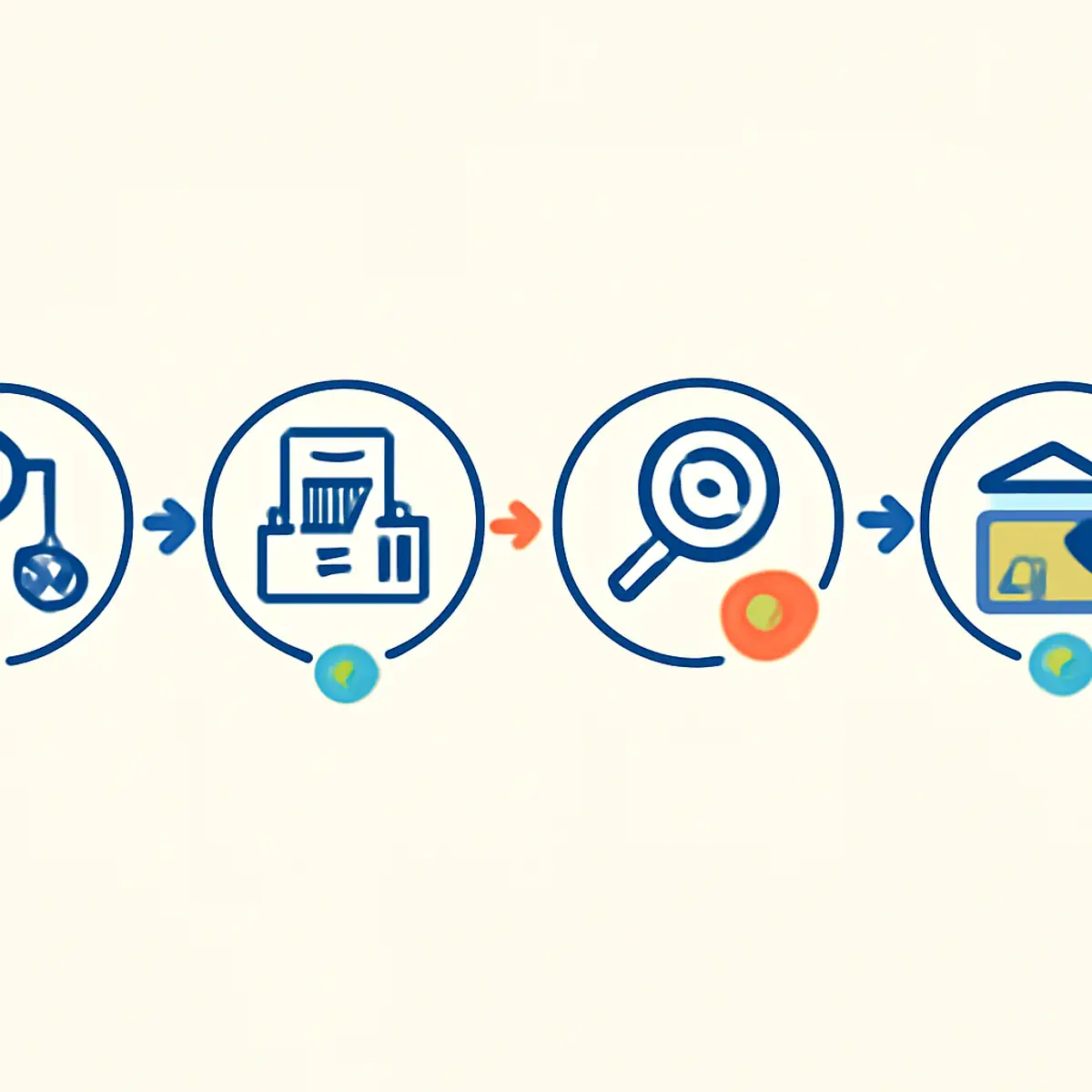
□ Inbound shipment plan filed in Seller Lab
□ Plan approved by Noon (manifest generated)
□ Noon-issued barcodes printed (thermal, not inkjet)
□ Barcodes applied to every unit (manufacturer UPCs covered)
□ Polybags applied where required (1.5+ mil, suffocation warning if applicable)
□ Bubble wrap or protective wrap on fragile units
□ Expiration dates visible externally on consumables
□ Outer packaging passes drop-and-vibration tolerance
□ Cartons packed per shipment plan (no unauthorized SKU mixing)
□ Each carton weighed and measured (matches manifest)
□ Carton labels printed and applied (flat surface, away from tape)
□ Pallet labels (if palletized) on all four sides outside stretch wrap
□ Inbound appointment booked with the assigned NFC
□ Final manifest verified against physical shipment before dispatch
The discipline of running this checklist on every shipment is what separates sellers with under-2-percent rejection rates from sellers running 8 to 15 percent rejection rates.
When FBN beats FBP Directship (and when it doesn't)
Three factors drive the model decision:
Order velocity. FBN economics work when you ship enough units per month that the per-unit FBN fees amortize against the Noon Express badge's revenue uplift. Below approximately 100 units per month per SKU, FBP Directship usually wins on margin. Above 500 units per month per SKU, FBN often wins on the search algorithm boost alone.
Margin per unit. Low-margin products (under 25 percent gross margin) struggle under FBN because the combined default + outbound fees consume too much. Products with 40 percent+ gross margin can absorb FBN fees and still profit.
Storage footprint. Bulky low-velocity products (large home goods, slow-moving specialty items) accumulate storage fees in NFCs. The seller pays Noon's monthly storage on inventory that does not turn over fast enough to justify the FBN model. Better to keep these in your own warehouse on FBP Directship and route orders through Noon's last-mile.
The UAE-specific wrinkle: Noon Now (same-day delivery, Dubai-only on most categories) requires FBN inventory in specific NFC locations. Sellers chasing Noon Now eligibility have to plan FBN allocation around the right facility, not just any NFC.
How SamVertex Noon prep compares
Three operational advantages worth understanding:
Single-source UAE fulfillment. SamVertex handles Noon prep alongside Amazon FBA prep at the same Ras Al Khor facility. Sellers running both marketplaces in parallel get prep workflow consistency. The same labor team that preps for Amazon understands the differences for Noon (different barcode, different inbound process, different packaging tolerances).
Same-day onboarding, no minimums. Sellers can start with one trial shipment to validate the prep workflow before committing to volume. Other UAE prep providers often require monthly minimums or onboarding fees that punish small sellers.
Pricing in the brochure. SamVertex's prep rates are published. Comparable UAE prep providers usually require a sales conversation before sharing rates. Pricing transparency is the easy part of running operations well; most of the market does not bother.
For sellers comparing SamVertex against alternatives, the right comparison is total cost across base prep + add-ons + carton labels + monthly storage + last-mile, not just the headline per-unit number. The brochure publishes all of those lines.
For sellers running Noon and Amazon UAE in parallel, our Amazon FBA prep guide for the UAE covers the cross-border and post-policy-change Amazon side.

Frequently asked questions
What is the difference between FBN and FBP on Noon?
FBN (Fulfilled by Noon) means Noon stores your inventory in their NFCs, picks and packs orders, and delivers via Noon's logistics network. The product earns the Noon Express badge for 24-hour shipping. FBP (Fulfilled by Partner) Directship means you store inventory in your own warehouse, prepare each order when it comes in, and hand it to Noon for last-mile delivery. FBN is better for fast-moving SKUs; FBP is better for slow-moving SKUs and brands wanting more control.
How much does Fulfilled by Noon cost in the UAE?
Three fees apply: a default (referral) fee of 5 to 18 percent of selling price depending on category, an outbound fee of AED 8 to AED 38 per unit shipped depending on size and weight, and a monthly storage fee of AED 25 to AED 40 per CBM. Total fee burden on a typical FBN seller lands around 30 to 40 percent of revenue.
Do I need a UAE trade license to sell on Noon?
Yes. You need a valid UAE trade license (mainland or free zone) and registration as a company in the UAE, KSA, or Egypt. International sellers can list on UAE and KSA marketplaces but the registration must trace back to a regional commercial entity.
What barcode does Noon use for inbound inventory?
Noon issues its own barcode through Seller Lab (different from Amazon's FNSKU). Generate it from Seller Lab → Inventory → select SKU → Generate Barcode. Print on thermal label. The Noon barcode covers any manufacturer UPC and is what NFC scanners read at receiving.
Where are the Noon Fulfillment Centers in the UAE?
Noon operates multiple Customer Fulfillment Centers (CFCs, commonly called NFCs) across the UAE, with primary inbound facilities in the Dubai logistics corridor and the Abu Dhabi area. The specific assignment depends on demand patterns, warehouse capacity, and the seller's shipment plan. Noon assigns the destination NFC when the inbound plan is approved.
What is the SamVertex Noon prep rate?
AED 0.50 per unit base prep, with add-ons for polybag (AED 0.50), bubble wrap (AED 1.00), and bundling (AED 1.50). Same-day onboarding, no minimums, no contract.
What are the most common reasons NFC rejects inventory?
Wrong or missing Noon barcode (28 percent of rejections), packaging non-compliance such as wrong polybag thickness or missing suffocation warnings (22 percent), expiration date issues including hidden or wrong-format dates (16 percent), weight or dimension mismatches against the manifest (12 percent), and carton or pallet labeling errors (10 percent).
Can I send the same inventory to Noon FBN and Amazon FBA?
No, the inventory must be physically separated and prepped to each platform's specifications. The barcodes are different (Noon barcode vs FNSKU), the packaging requirements differ slightly, and the inbound processes are entirely separate. Sellers running both platforms keep two prep workstreams or use a 3PL that runs both in parallel.
How long does it take to onboard for Noon FBN?
Initial Noon seller account verification takes approximately 7 days from document submission. Inbound shipment plan approval takes 24 to 72 hours after submission. NFC inbound appointment booking is typically same-week off-peak, 3 to 7 days during peak periods. Total time from new account to first FBN sale is usually 14 to 21 days.
Is Noon profitable for new UAE sellers in 2026?
Yes, when the math works. Noon controls roughly 60 percent of UAE online traffic, which is too much to ignore. The fee burden of 30 to 40 percent of revenue is in line with global marketplace norms. Profitability depends on margin per unit (40 percent+ gross margin works on FBN), order velocity (high velocity unlocks the Noon Express revenue uplift), and operational discipline (prep rejections destroy margin fast). New sellers who run the fee math before listing typically succeed; sellers who assume "the marketplace handles fulfillment, that is the business" are usually disappointed.
See your real numbers
Noon NFC prep is operationally specific and the cost of getting it wrong is high. SamVertex prep at AED 0.50 per unit covers Noon barcode labeling, basic QC, and master carton preparation, with all add-ons published. Same-day onboarding for new sellers, no minimums.
Send your SKU profile, monthly volume, and target NFC strategy to /contact/ and we will share an all-in cost projection within 24 hours, including the prep cost, the projected monthly Noon fees, and where the math actually works at your specific scale.
For sellers also running Amazon UAE, our Amazon FBA prep guide covers the parallel marketplace. For sellers managing inventory inbound from China, our sea freight and air freight guides cover the upstream freight.
References
- SamVertex marketplace prep service page for the prep rate detail
- SamVertex Noon channel page for the full Noon UAE service offering
- SamVertex 3PL pricing guide for UAE 3PL rate context
- SamVertex Amazon FBA prep guide for the parallel Amazon side
- Noon Seller Lab support documentation, https://support.noon.partners
- Noon, "What is FBN or noon Express?" https://support.noon.partners/portal/en/kb/articles/what-is-fbn-or-noon-express
- Noon, "Fulfilled by Noon (FBN) Comprehensive Overview," https://support.noon.partners/portal/en/kb/articles/fbn
- Qafila, "Maximize Your Success with Fulfillment by Noon," https://www.qafila.com/blogs/fulfillment-by-noon-fbn-how-it-works-and-what-sellers-should-know/
- DBS, "How To Become A Noon Seller In UAE: A Complete Guide (2026)," https://aedbs.com/blogs/news/noon-seller-in-uae
- Unicommerce, "How to Sell on Noon in 2026: Seller Registration Guide," https://unicommerce.com/blog/sell-on-noon-com/
Need help putting this into practice?
We run a real warehouse in Dubai and answer every message. Free consultation, no pressure, no commitment.
We reply within 4 hours during business hours.